

MeBHank wrote:roger bayliss wrote:As far as the AC30/4 was concerned that was used on Kon Tiki to Blue Star and then they switched to AC30/6 with Hanks having the TB unit add on for Shadoogie onwards. Apache to Gonzales was the AC15 prior to them.
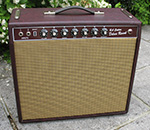
Where did you get that information, Roger? Has someone catalogued it somewhere? My ears tell me something very different. Shadoogie, Sleepwalk, Nivram, and My Resistance is Low were recorded using a Top Boost AC30? The Savage, Peace Pipe and Wonderful Land too? If that's correct, where's the characteristic deep bass the Top Boost provides, or, more importantly, all the "top" that's supposed to have been boosted? Those tunes were recorded with an EF86-equipped amp - I'd stake my own AC15 on it.
It's accepted by just about all respected guitarists I speak with that the amps used on stage and TV were not the same amps that were used in the studio. As we all know, audiences needed to hear the lead guitar above the rest of the band and so Dick Denney developed the Top Boost circuit to help Hank's sound cut through. It meant that his sweet lead guitar sound had to be sacrificed for live work, but listen to the live recordings that exist: the shows were energetic, sharp and gritty, and the sound matched the band's performance style. But the sounds being made at the same time in the studio were vastly different to those made on the road. For example, though fairly aggressive in style, Hank's honky amp sound on The Savage is a million miles away from the edgier live sound he was getting during the same period. Why would the group choose to abandon their famous rich quality of tone in the studio during that period? Recording was a setting in which Hank didn't need to cut through the rhythm section of the band, especially when recording slower pieces such as Sleepwalk and Peace Pipe. Hank's sound on the above-named records is still middly and mellow (yes, even on The Savage) with the necessary bark when required - words I would never associate with the sound of a Top Boost amp. Yes, the Shadows would eventually carry a Top Boost AC30/6 into Abbey Road, but a full year after recording Shadoogie.
The switch to the Top Boost amp made a much bigger difference to the sound than the change to Burns guitars, IMO, and its sound is far more easily detectable and identifiable. No other Vox amp sounds like a Top Boost, which is why I'm so surprised how someone's come to that conclusion.
J
My source is the TVS site article on amps used by the Shadows Justin and I tend to agree with it.
Even HBM himself has said you would be surprised of how many of the early stuff were recorded on the AC30/6 TB. The issue really is the studio and EQ where the sound gets altered and it is difficult to tell. Peace Pipe I have recorded it on ef86 and TB channels and to my ears it is the TB channel that wins. The honky and sound on the Savage would be down to adjusting mid range with EQ but it is true the AC30/4 has more mid range.
The Burns era used a later amp setting than the post AC30/4 sound which was bass up full and treble till it starts to bite around 70%ish and that is where the nasal Burns era sound came from and this setting was used for some pre Burns such as Foot Tapper, Dance On.
In short the studio changes the lower and upper mids as well as the bass and high end and makes you think you hear a certain amp sound and lower mid range honk is emphasised at times which tends to sound a bit more like the earlier sound. You think you hear the honkier AC30/4 but the EQ is making the AC30/6 honk as well !
The one thing that is difficult to copy is the fullness and plummyness for want of a better expression that Abbey Rd's gear gave the sound. That is difficult to replicate with home studios for sure.